

Define the concern after gynecomastia surgery
A gynecomastia-surgery enquiry may concern the chest contour, a difference between sides, the nipple area, scars, sensation or follow-up. The legal review should identify the specific issue and the care associated with it. Emre Gültekin considers these accounts with Vensa Law in Istanbul. The starting point is the individual assessment, agreement and treatment record, not a conclusion that every unwanted change proves negligence or that every postoperative difficulty is answered merely by describing it as a known risk.
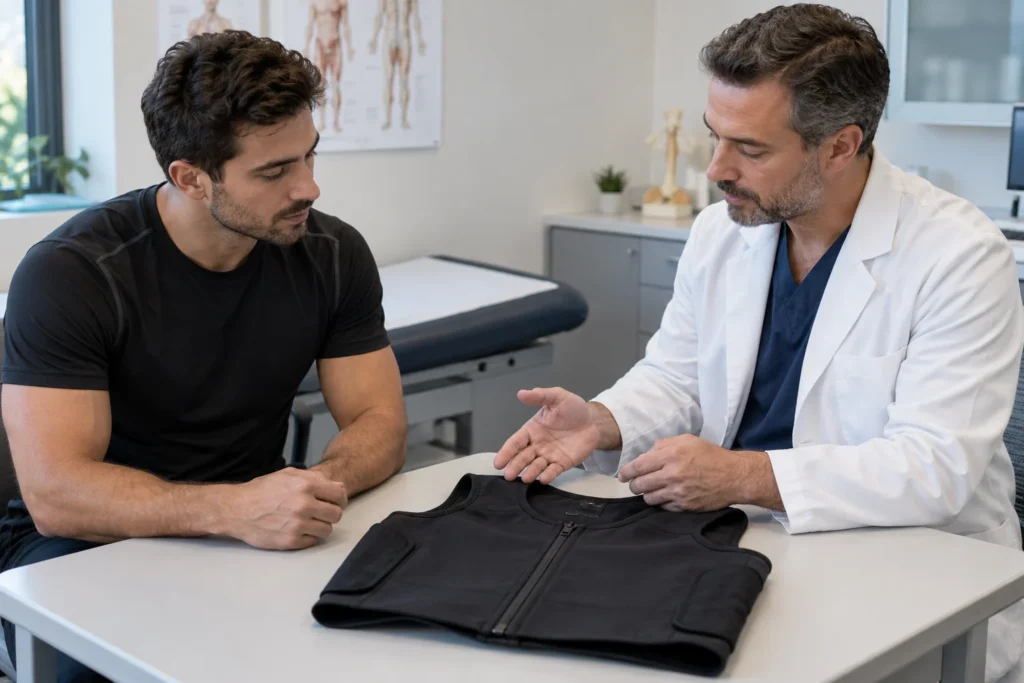
Male breast-reduction surgery can involve removal of tissue, liposuction or a combination, depending on the treatment selected. The actual operation should be identified from the patient's documents. A booking label does not establish the clinical diagnosis, suitability or full scope. Those questions may require appropriate medical expertise. Legal work examines the relevant obligations, evidence, causal connection and possible remedy. It does not diagnose the present condition or decide whether further surgery, investigations or another form of treatment is medically necessary.
Understand the original assessment and treatment objective
Explain what led the patient to seek advice and which concern the clinician assessed. Obtain the history, examination findings, preoperative photographs and any investigation or referral records relevant to the decision. The patient need not determine for themselves whether a particular feature was due to glandular tissue, fat or another factor. The file should show the clinical explanation actually given and the evidence underlying it. An online description of gynecomastia should not replace the individual assessment.
Identify the change the patient wanted and any limitation explained. A wish for a flatter chest, improved symmetry or a different appearance in clothing may have been expressed differently from the surgeon's final recommendation. Preserve the exchange rather than assume that a general cosmetic goal amounts to a precise guarantee. If the patient supplied information about previous treatment or personal circumstances, include what was provided and when. The review should consider the decision in the information available at the time, not reconstruct it solely from the final outcome.
Establish the surgical method agreed
Keep the quotation, written treatment plan and consent material. Identify whether the plan concerned excision, fat removal, skin work or a combination, and which areas or sides were included. If an additional procedure was discussed but declined or deferred, retain that conversation and any explanation of the remaining plan. Different components can raise different questions even when described by one package price. A technical reviewer needs an accurate account of the procedure rather than the abbreviated name used in advertising.
If the recommendation changed after personal examination, record the date, reason and patient's response. A preliminary online assessment may not have been intended as the final operative plan. Conversely, a change may raise a real question about agreement or information. The evidence should allow that distinction to be examined. A price variation can be relevant without explaining clinical reasoning. Preserve the earlier and later versions so that a disagreement is not resolved by silently choosing whichever record best fits the preferred interpretation.
Compare the baseline and the feature now questioned
A pre-existing side difference, contour, scar or nipple position can matter to a later comparison. Obtain the patient's own preoperative material and the provider's photographs where available. A current image does not establish that every visible feature was created by surgery. Identify the change alleged, its location and when it was first noticed. The patient's observation is important, while clinical interpretation may be necessary to assess the significance and possible causes of the finding.
If the concern is an indentation, fullness or uneven appearance, avoid assigning a diagnosis from another person's social-media account. The relevant expert may need the original assessment, operation details and later examinations. A visible contour and a functional or sensory complaint may require different evidence. The legal enquiry should connect each with the particular obligation or decision challenged rather than treat the word unsatisfactory as a complete explanation. Distinguish what the patient saw from what a clinician concluded and from what remains uncertain.
Examine the information and consent discussion
Collect the signed form, procedure explanation, diagrams, translations and written answers to questions. Establish what was said about the planned approach, scars, limitations, recovery and potential further care. If the patient says a specific subject was not explained, identify it and why it mattered to their choice. A general form should be considered with the personal consultation and the timing of the decision. Its title alone does not show that every concern was discussed or every later act was appropriate.
Turkish patient-rights provisions on information and consent provide part of the framework, but the actual facts determine their application. Consent to a possible complication is not the same as agreement to inadequate care. Equally, an unwanted result does not by itself establish an information failure. If language assistance was used or requested, preserve the person, language and response. If the surgical plan changed, identify how the change was presented and accepted. Information, performance and follow-up should remain distinct parts of the assessment.
Gather the procedure and hospital records
The surgeon's note, anesthesia or sedation documentation where applicable, observations, prescriptions and discharge information can establish different stages of care. Request the relevant complete records, including attachments and any further examination or procedure during admission. If tissue examination was performed and is relevant, preserve its report with the other documents. The legal file should identify the source, date and patient for each record rather than assume that a generic clinic summary contains every technical detail.
Technical terms and amounts require context. The patient can flag an apparent discrepancy without deciding its medical meaning. A qualified reviewer may need to interpret the operation in light of the assessment and subsequent findings. If material is missing, retain the request and response rather than recreate the record. An omission in a short summary is not automatically proof that no fuller account existed. Keep originals unchanged and place personal commentary on separate copies so that the document history remains traceable.
Separate the nipple-area question from the wider contour
A concern about nipple or areolar position, appearance or sensation should be described specifically. State which side, when the concern arose and what assessment was obtained. An image may show appearance without explaining sensory change or the cause of a finding. If a clinician supplied an explanation, keep the report and identify which earlier material they reviewed. Its scope may be narrower than an opinion about the whole operation, and that limit should not be concealed.
Where contour and nipple-area concerns coexist, keep their connection visible without assuming they have one cause. The baseline, planned intervention and later course may all matter. A proposed revision can address a present feature without determining whether the earlier treatment fell below an appropriate standard. Current symptoms belong with an appropriate healthcare professional. This page cannot decide what can safely wait or recommend a dressing, massage, garment or another intervention. Legal work can assess the resulting evidence, not replace the clinical decision.
Record healing and the response to reports
Prepare a dated sequence of the first complaint, contacts, photographs sent, replies and appointments. Include examinations, referrals or additional treatment where relevant. A reassurance, request for an image and recommendation for a personal review are different responses. Their adequacy needs the surrounding information and clinical setting. A later diagnosis should not be inserted into the earliest exchange as though it was already known. Complete communication helps show what the provider actually received and which question they answered.
Retain the instructions supplied about follow-up, dressings and support, together with any changes. If the patient could not use an agreed arrangement, explain the practical facts and their source. Do not substitute a general online recovery schedule for the advice in this file. Necessary healthcare should not be postponed to prepare a legal enquiry. Current or worsening concerns require appropriate clinical assessment. The response to a complication may need analysis separate from its cause, and a clear record allows those issues to be considered distinctly.
Use photographs without overstating what they prove
Keep unedited original images where possible and note the date, posture, arm position, lighting and stage of recovery. Those conditions can affect the appearance of the chest. A montage may assist comparison but should not conceal different circumstances or selective views. State the feature each image is intended to show. A visible change can be relevant without establishing its cause or whether a particular participant breached a duty. Clinical findings and the operative history may be needed to complete that assessment.
Other patients' results are not a substitute for the patient's own baseline and care. Their diagnosis, intervention, healing and later treatment may be unknown. Privacy also matters: there is no need to place sensitive photographs on a public platform merely to begin contact. An initial description and inventory of available documents can identify the next requirement. If images were used by the provider in promotion, retain permission and publication information separately, because that question may be distinct from the quality of the surgical care.
Evaluate second opinions and correction offers
A later clinician may describe the present state, recommend further treatment or comment on the original procedure. Establish which question the assessment addresses and keep the reasoning and records reviewed. A suggestion to improve the contour is not automatically a finding of negligence. The need for another procedure and responsibility for its expense remain separate matters. Where opinions differ, examine their timing, information and purpose rather than select only the statement supporting one interpretation.
An offer from the original provider should identify the clinical purpose, practitioner, institution, costs and follow-up. Medical suitability requires appropriate clinical advice; any release, confidentiality condition or settlement needs separate legal examination. An offer is not automatically an admission and declining it does not by itself determine a claim. Read what is included, what remains excluded and what happens if promised performance does not occur. A free correction may leave travel, hospital or later care expenses unresolved unless the agreement deals with them clearly.
Clarify the participants and previous actions
Match the names on the booking terms, invoices, payments and clinical documentation. A coordinator, package seller, practitioner and hospital may have different obligations even where they share branding or a contact channel. Explain any assurance about a named surgeon or facility and preserve its source. The review should investigate what each participant undertook and any authority to speak for another, rather than infer every duty from the person most visible in a message exchange.
Provide previous complaints, replies, reimbursements, agreements and the current status of any existing adviser. A record request, professional complaint and compensation procedure have different functions. Continued discussion should not be assumed to preserve all legal rights. Send official notices promptly with the date and manner of communication so that route and timing can be assessed for the actual legal basis. The next decision depends on the present position as well as the treatment history, and should not be copied from another patient's dispute.
Explain the practical and financial consequences
Describe subsequent appointments, treatment, assistance, work disruption and expenditure with dates and supporting sources. Keep personal experience distinct from clinical conclusions about cause. A paid bill, quotation and possible future cost should not be combined as though all were incurred. Separate the original package from later care and travel. A transparent schedule avoids double counting and helps examine whether each item is connected with the particular failure alleged, rather than simply part of a general dissatisfaction with the experience.
A potential remedy depends on the relationship, duty, evidence, causation and loss supported. No compensation amount follows automatically from the term gynecomastia surgery, a contour concern or another person's settlement. Emre can identify the supported elements, missing records and specialist questions. Any proposed report should have a defined purpose before expenses are incurred. The aim is to answer an actual uncertainty and support a reasoned decision, not to gather repetitive statements that adopt a conclusion before the relevant facts have been examined.
Arrange a focused discussion with Emre
The first account should identify the surgery date, location, provider, agreed procedure and main concern. Organize principal documents by assessment, operation and follow-up, and explain whether the immediate objective involves records, an offered correction, an official notice or possible legal work. Tell the office if you are abroad, another adviser acts or further treatment is planned. Keep original language records alongside clearly identified translations. Formal authority, translation and attendance requirements can be considered once the proposed work is understood.
Emre Gültekin works with the Vensa Law team in Istanbul. Scope, fees, possible clinical-expert or translation expenses and communication arrangements are discussed for the individual matter. Sending an enquiry does not itself establish representation or guarantee a result. Use the English contact options to describe the experience and the next decision you need to make. Clear agreement about which questions will be assessed, what information is required and who will obtain it helps keep the work practical and specific to the patient's own circumstances.
Add new evidence without changing its history
Preserve earlier reports and images when a new explanation or proposal arrives. Record its date, source and what it changes. A draft, signed opinion and later clarification may not serve the same purpose. A note made from memory should be identified rather than presented as a contemporaneous clinical entry. This allows the reviewer to follow the information available before each decision and distinguish a genuine contradiction from different purposes or missing attachments. The history should remain traceable, not silently rewritten around the final disagreement.