

Define the breast augmentation concern before choosing a claim
A breast augmentation enquiry may involve the implant selected, the operation performed, a change in appearance, a symptom or the management of follow-up. Those subjects require different records and may raise different legal questions. Emre Gültekin considers the patient's account with Vensa Law in Istanbul. The review begins by identifying the agreement, the course of care and the concern that now needs a decision, rather than assuming that every problem following implant surgery has the same cause or remedy.
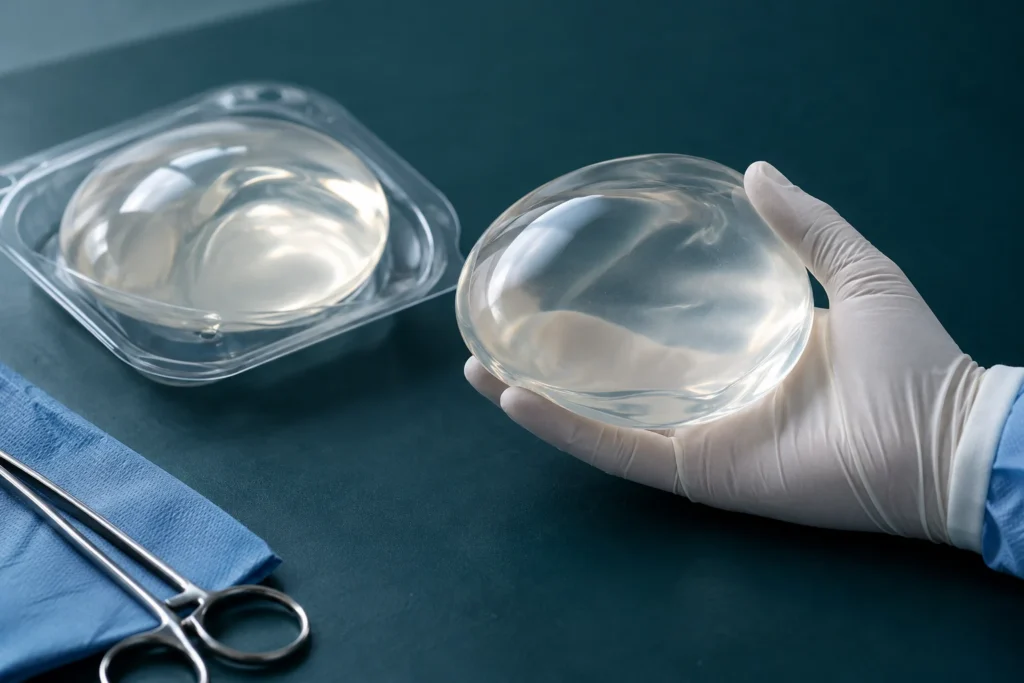
Implants are not lifetime devices, and further surgery can be needed for reasons that do not automatically establish negligence in the original operation. Equally, the possibility of later treatment does not remove the need to examine assessment, information, technique and response to concerns in the particular file. A legal review connects the alleged shortcoming with the relevant duty and the harm said to result. It does not diagnose implant problems or decide whether removal, replacement or another intervention is medically appropriate.
Identify the original objective and baseline
Explain why the patient sought augmentation and what change was discussed. A wish for greater volume, a different shape or improved symmetry may have led to different clinical recommendations. Keep the consultation record and preoperative photographs, including the patient's description of their priorities. The actual starting condition matters when a later comparison is made. A complaint about asymmetry, for example, should not silently assume that the same feature was absent before surgery if the earlier evidence has not been examined.
If a lift or another procedure was discussed, identify whether it was accepted, declined or left for a later stage. An implant operation and a lift are not simply interchangeable labels. A review of the agreed objective should establish which intervention was recommended for which purpose and what limitations were explained. Preserve any discussion about how the chosen approach related to the patient's anatomy or expectations. The clinical appropriateness of that recommendation may need expert assessment rather than inference from a promotional image.
Trace the implant-selection discussion
Collect the material describing the proposed implant, including any discussion of manufacturer, model, dimensions, volume or other characteristics relevant to the patient's choice. The purpose is not to treat a number as a guarantee of a particular appearance. It is to understand which device was discussed and whether the decision was made on an accurately documented basis. Messages, consultation notes and written plans may each provide part of the answer. Keep all versions where the selection changed before the operation.
A patient may recall a preference differently from the final plan recorded by the provider. Identify the source of each account rather than assuming that either recollection or record resolves the disagreement automatically. If the patient consented to a range or to a decision being finalized during surgery, preserve the exact wording. If a specific device formed part of the agreement, identify where that was stated. These distinctions allow the legal and clinical reviewers to ask a focused question instead of treating all selection disputes as equivalent.
Preserve device identification as well as the medical narrative
An implant card, label or hospital entry can help identify the device actually recorded as used. Retain the original information and request clarification of any mismatch between documents. Record the side to which an entry relates where that is specified. A photograph of packaging is useful only within its context; the file should establish whose treatment it concerns and how it connects with the operative record. Do not amend an identifier to make documents appear consistent.
Device information can matter to continuing healthcare and to a legal enquiry about what was supplied. It does not by itself establish a defective product or negligent surgery. If the concern involves a manufacturer notice or another safety communication, preserve the notice and identify whether the patient's recorded device is actually within its scope. A general report about implants should not be treated as proof about an unidentified product. Appropriate clinical and technical advice may be required before the significance of the material can be assessed.
Understand the scope of consent
Obtain the signed form, device information provided to the patient, procedure explanation and relevant translations. Identify what was said about the proposed operation, possible limitations, continuing care and the prospect of future procedures. The MHRA publishes a risk-awareness tool to support patient discussions, but such a resource is not a substitute for the individual consent process. Nor does a foreign guidance document automatically determine the legal outcome of care provided in Turkey. The actual information and circumstances remain central.
If the patient says they were not told something important, specify the issue and the discussion in which it should have been addressed. A standard signature page may need to be read with the consultation and materials supplied. If implant selection or the operative plan changed, identify how the change was communicated and accepted. Information quality and operative quality should be examined separately: agreement to a recognized risk does not answer every question about the subsequent care, while an unwanted outcome does not alone prove inadequate information.
Obtain the operation and associated care records
The operation note may explain what was performed, the approach described and the device entries. Anesthesia documentation, observations, prescriptions and discharge advice can provide the wider course of care. Obtain complete copies rather than relying only on a short patient summary. If technical language appears inconsistent across records, identify the difference and request its explanation. The patient need not interpret the technical detail themselves or select a medical conclusion from an online discussion.
Where the operation included additional work, show how it was documented and which concern relates to it. A single hospital admission can contain several separate decisions. A medical expert may need the full relevant material to assess suitability, performance or the handling of an event. The legal review then considers how that assessment connects with the obligations of the practitioner, institution or other participant. A technical finding should not silently be converted into a conclusion about every person's responsibility.
Describe the concern through clinical evidence
If the issue involves shape, position, discomfort or another reported change, give its location, timing and development. Identify examinations, imaging or other assessments already obtained and preserve the underlying report. A patient can explain the experience without assigning a diagnosis or cause. Where the provider and a later clinician use different descriptions, keep both sources. The question may be whether they describe the same finding, different stages or different interpretations of incomplete information.
Current symptoms require suitable medical assessment. This page should not be used to choose imaging, decide whether an implant is intact or determine the safety of waiting. Legal work can review the records generated by clinical care and identify questions requiring expert input. The fact that a condition appeared after surgery is relevant to chronology but does not, by itself, establish its cause. The review should consider the baseline, the operation, later events and alternative explanations supported by the evidence.
Follow the response to the patient's reports
Keep the discharge instructions and a dated sequence of contact attempts, replies and appointments. If photographs or symptom descriptions were sent, preserve the complete exchange and its attachments. A reassurance, a request to attend a review and an instruction to seek another assessment have different meanings. Their adequacy depends on the circumstances and the information available at the time. A single sentence taken out of the conversation may not fairly represent the provider's response.
If the patient travelled home, explain the agreed arrangements for ongoing contact and any practical obstacle to review. Identify who was authorized to answer questions and which institution retained the medical file. If a promised appointment did not happen, record whether it was cancelled, unavailable or declined and why. This prevents the enquiry from confusing a gap in the record with a decision not to provide care. The response to a complication may require analysis distinct from the cause of the complication itself.
Distinguish surgical care from product-related questions
A patient may suspect either an issue with the operation or an issue with the device. These should not be treated as identical claims. The implant's identity, the alleged problem, relevant product information and the care delivered all need examination. A device can be involved in a complication without proof that it was defective, and a device-related question does not automatically answer whether the surgeon's assessment, information or subsequent response was appropriate. Different expertise and different participants may be relevant.
Preserve any communication with the manufacturer, clinic or hospital about device identification or a proposed investigation. Do not dispose of potentially relevant records or physical material without discussing the practical and clinical requirements with the appropriate professionals. If an implant has already been removed, identify where its condition and the findings were documented. Legal preparation should support a traceable account rather than interfere with necessary care or invent technical conclusions that the available evidence does not support.
Assess removal or replacement proposals carefully
A recommendation for another operation should explain its purpose and the condition being addressed. Obtain the written assessment, the records reviewed and the basis of the recommendation. Removal, replacement, a lift or another revision may pursue different objectives. The fact that another operation is proposed does not establish that the original procedure was negligent, nor does it settle whether a particular expense is attributable to the alleged failure. Those questions require separate clinical and legal reasoning.
If the original provider offers assistance, clarify who will perform the intervention, where, with which proposed device if relevant, and under what cost and follow-up arrangements. A manufacturer's warranty and the provider's own offer may have different terms. Neither should be summarized merely as a free correction without examining what is excluded. Before accepting a release or settlement, understand which claims and parties are covered. Clinical suitability remains a medical decision; the legal enquiry can examine the consequences of the agreement proposed.
Document the impact and financial position
Record subsequent appointments, investigations, treatment, assistance and practical disruption, identifying dates and sources. A personal description of how the situation affected daily life should be retained alongside, rather than substituted for, medical evidence. For money, separate the original operation price from later expenses and estimates. Note whether a cost has been paid, merely quoted or remains uncertain. A clear schedule avoids double counting and allows the relationship between an item and the specific concern to be examined.
No general figure can be promised for an implant enquiry. The legal basis, the alleged shortcoming, causation and the evidence of loss all matter. Another patient's recovery or a manufacturer's general warranty does not determine the remedy in this file. Emre can identify what further material may be needed and discuss the scope of an assessment. Where expert evidence is proposed, its purpose should be clear: answering a relevant question, not simply collecting reports that repeat an unexamined assumption about liability.
Identify every relevant organization and previous step
Breast augmentation can be arranged through a coordinator or package seller while the operation is delivered by a surgeon and hospital. Match the names on agreements, invoices, device records and clinical notes. Explain who received payment and what was promised about the practitioner or facility. The role of each participant should be examined through evidence rather than branding alone. A shared logo or messaging channel may connect the arrangements without defining every legal duty within them.
Provide any complaint, response, reimbursement or agreement already made. If another adviser has been instructed, share the current status and relevant correspondence. Official documents should be sent promptly with the date and method of communication. A record request, a professional complaint and a compensation procedure have different functions, and ongoing negotiation should not be assumed to preserve every right. The route and any timing issue must be assessed for the individual relationship and facts, rather than copied from a different patient's experience.
Speak with Emre about a defined next step
Begin with the date and place of surgery, the provider, the device information available and the main concern. A concise chronology and labelled principal documents help the discussion stay focused. Tell the office if you are abroad, if further treatment is planned or if you have received an urgent notice. Original records and translations should be distinguishable. An initial explanation can identify what is missing without requiring the patient to produce a complete legal argument before making contact.
Emre Gültekin works within Vensa Law in Istanbul. The proposed review, fees, possible translation or clinical-expert costs and communication arrangements are discussed for the matter. A short document assessment is not necessarily the same engagement as representation throughout a dispute. Sending an enquiry does not itself confirm acceptance or guarantee a result. The English telephone, WhatsApp and contact form provide ways to arrange a discussion about the evidence and choices arising from your own breast augmentation experience.